Early Beginnings
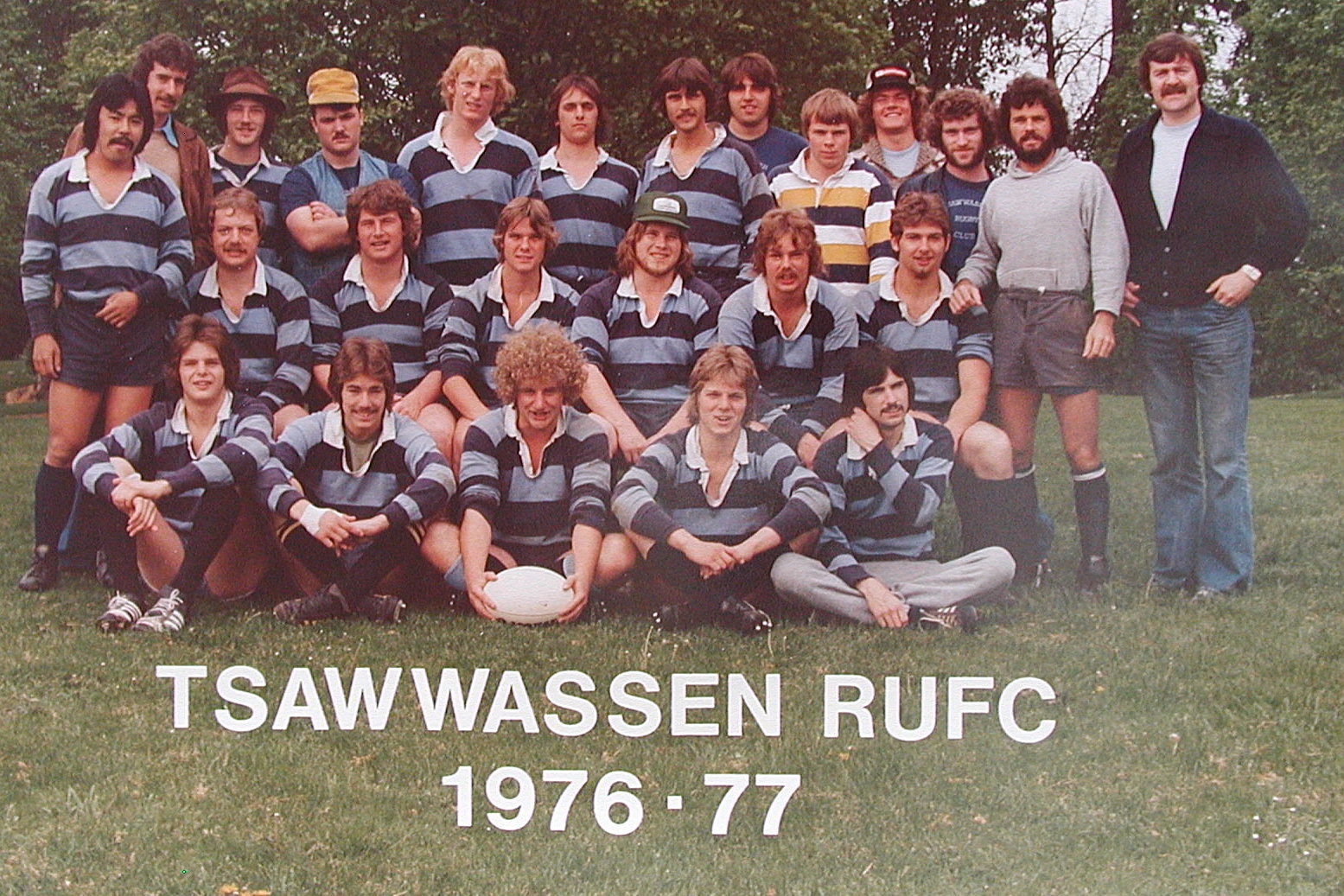
Tsawwassen Rugby Club held its first practice on September 11, 1976, and played its first game on September 25, 1976 — a 9–3 victory over the Trojans 4th Division team. However, the roots of the club had been planted several years earlier in Ladner.
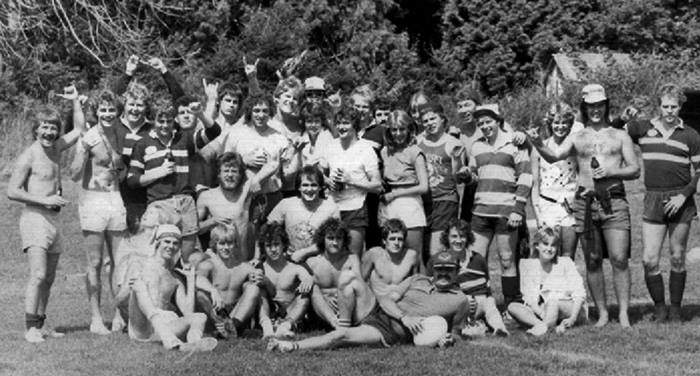
Before South Delta Senior Secondary School opened its doors in September 1973, Tsawwassen students attended Delta Senior Secondary School in Ladner. Teacher and rugby coach John Narbett led the rugby program at DSS. Some graduating students wanted to continue playing rugby, leading to the creation of the Delta Crabs, although that team was short-lived.
By 1976, Narbett had moved to SDSS and took his successful senior team on a spring rugby tour to England. Once again, graduating players expressed interest in continuing rugby after school, prompting a second effort to establish a men’s rugby club in South Delta.
Formation of the Club
Andrew Harvey mentioned the idea to his bank teller, Joyce Matier, whose husband, Dave Matier, was finishing his playing career with the Trojans after suffering an ACL injury.
An initial practice was held on the small soccer field behind SDSS. Narbett gathered former Delta Crabs players, younger players such as Dave Favrholdt and Malcolm Johnston, and Charlie Minns, the rugby coach at NDSS. Dave Matier brought in several Delta-based Trojans members, including Kenny Evans.
Together with graduates from the 1975 and 1976 SDSS teams, Tsawwassen Rugby Club was formed. Mike Budd became the club’s first President.
The early player base was largely made up of 18- and 19-year-old recent SDSS graduates, along with several slightly older players from DSS and a pair of teachers from SDSS and NDSS.
At the first practice, annual club dues were set at $20. Malcolm Johnston, who worked in a sawmill in New Westminster, became the first player to pay, earning the distinction of Club Member #1.
Today, Malcolm is known as the father of George Johnston, winner of the 2023 Bill Crosby 1st XV Forward of the Year Award at Bayside Rugby Club.
The First Season: 1976–77
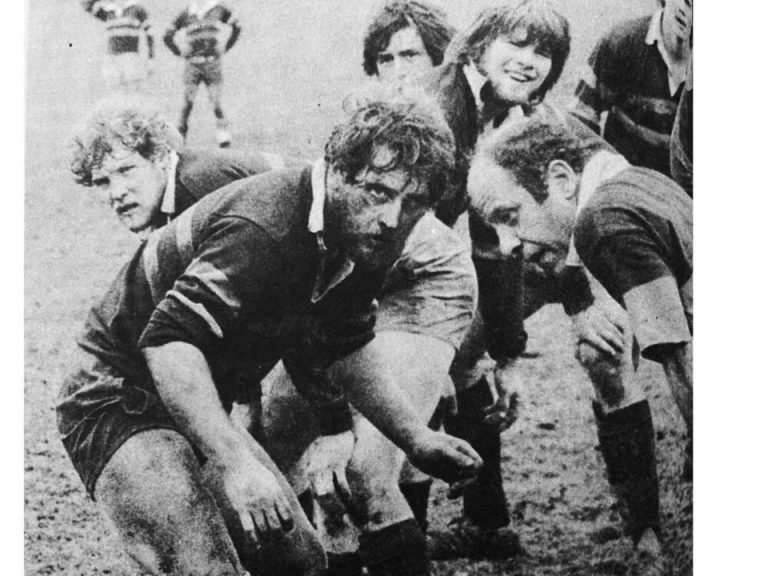
Just two weeks after the first practice, the club played its first game. Tony Greville was elected captain, with Tim Ivens and Paul Atkinson forming the leadership group.
During the first year, the club played 21 local matches and also made its first trip to the Portland Pigs Tournament, winning four of five games.
By May 1, 1977, Tsawwassen Rugby Club had played 26 matches, winning 18, drawing two, and losing only six while scoring 351 points.
The first annual “Ole Timers Game” was played on May 28, 1977, featuring Under-20 players against the “old timers” — those over 20 years old.
The club’s first Awards Dinner was held in John Narbett’s basement. Tickets cost $10 and proudly included an ale. Prior to the dinner, voting for the 1977–78 executive committee took place in the basement of Dave and Joyce Matier, which served as the club’s early clubhouse.
The Matier Basement Era
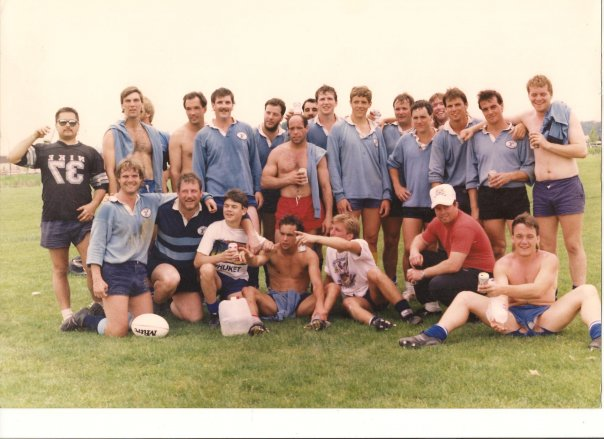
For many years, Dave Matier’s basement became the social hub of the club. Players gathered there after weekday practices and weekend games.
It was during this period that the now infamous “Round the Table” table tennis game was created. Club members also fondly remember events such as Christmas hay rides.
The dedication shown by the original founders helped establish the culture and identity of Tsawwassen Rugby Club — values that would carry forward for decades.
Growth and Entry into the Vancouver Rugby Union
For the 1977–78 season:
- Kenny Evans became President
- Dave Matier became 1st Vice-President
- John Narbett became 2nd Vice-President
- Charlie Minns became Secretary
- Marc Pond became Treasurer
Paul Atkinson, John Bell, Tony Greville, and Tim Ivens served as Members at Large, while Tony Greville remained Club Captain and Dave Matier accepted the position of Head Coach.
The club successfully applied to join the Vancouver Rugby Union and entered teams in the 3rd and 4th Divisions.
Charlie Minns, now coaching at North Delta Secondary School, encouraged many younger players to join the club. Early recruits included Al Worsley, Andy Trann, Matt Kelly, Kevin Bunnett, Brad Edmonson, Mike Hicks, Kevin Hubich, Lee Sullivan, Brad Sarchet, Scott Hubich, Wayne Marshall, Stephen Black, and Karl Hanna were to come down a couple of years later.
Additional players from Ladner followed, including Rob and Rick Klatt, Trent Domich, Andrew Jackson, Phil Kwok, Ken Ram, and Tim Winters.
The Thunderbird Identity
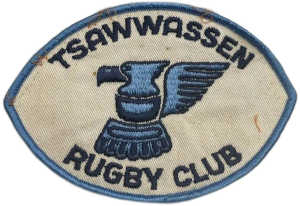
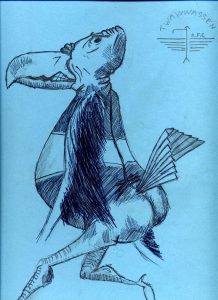
- One of the most important figures in the club’s early identity was Remo Williams, a player, and the son of the Tsawwassen First Nation Chief, who himself became Chief in later years.
- Williams designed the club’s Thunderbird logo, and with the support of the Tsawwassen First Nation Chief and Elders Council, the club developed a unique identity rooted in the local indigenous community
Expansion Through the Early 1980s
By 1980–81, the club had expanded to:
- Three senior men’s teams
- Two junior boys’ teams
- Teams competing in the 2nd, 3rd, and 4th Divisions
- Under-19 and Under-17 programs
During this period, the club also became a registered charitable society with the help of local solicitor Yorke Graham’s father. This status later allowed the club to access provincial charity casino funding, which would become an important factor in the establishment of Bayside later in the decade.
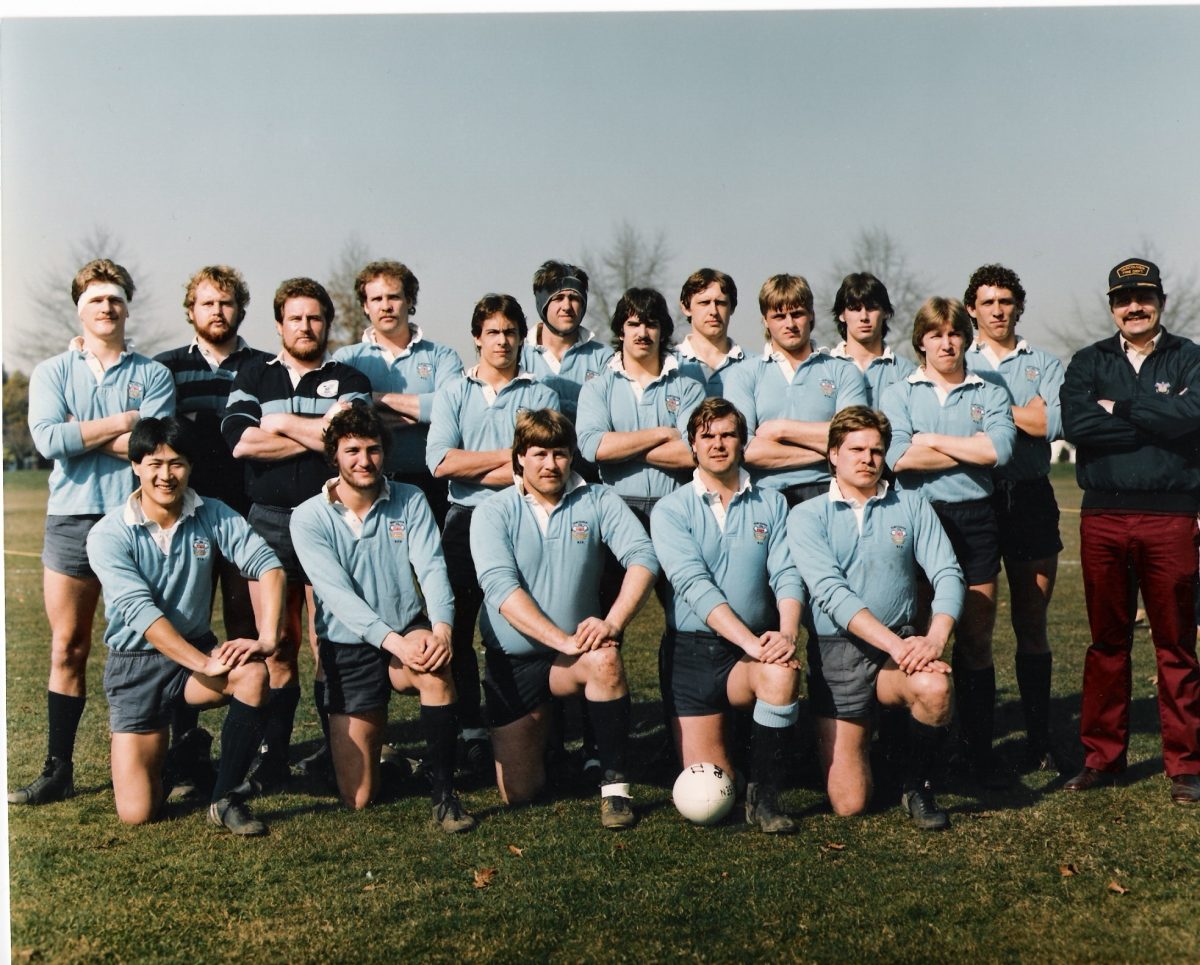
In 1982–83, all Tsawwassen teams moved up a division, with the first team competing in the elite 1st Division.
Memorable Moments and Milestones
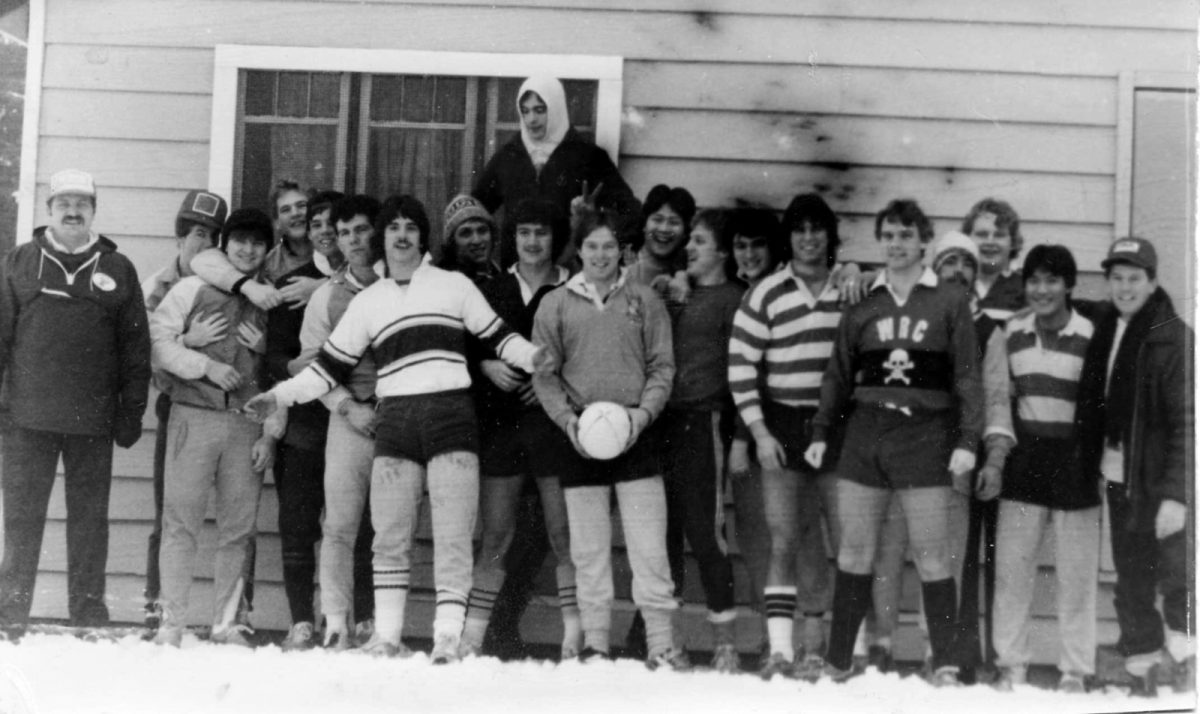
Several highlights defined this era:
- Chuck Wardell scored five tries in a single sanctioned league game against the Ex-Brits — a club record that likely still stands.
- The club purchased the famous “Blue Beer Wagon” bus for road trips.
- Tsawwassen hosted the Chicago Griffins in its first international home match, winning 24–7.
- The club played against Nippon Steel’s reserve team at Brockton Oval in 1980.
- Players such as Chuck Wardell, Stephen Black, Wayne Marshall, and Brad Edmonson earned places with the B.C. Reps.
- Scott Hubich represented Canada at the 1987 Hong Kong Sevens.
One of the club’s greatest achievements came in 1985, when the Junior Men won the B.C. Summer Games title in Nanaimo.
Disappointments included the loss of Bill Crosby, after an accident just before half time on the field at Balaclava Park against the Kats, and the tragic drowning of Scott Hubich, who by now was challenging for the national team scrum half position; he had just missed out joining the inaugural 1987 RWC team, and was clearly going to be a factor in the 1991 selection process.
Clubhouse Tradition and Hot Meals
- Perhaps Tsawwassen Rugby Club’s greatest long-term influence on rugby culture in British Columbia was its post-game meal tradition.
- When the club secured an old early childhood education building beside Brandrith Park, Martha Black, Stephen’s Mother, began preparing hot Irish stew after matches.
- Many of the Vancouver-based clubs did not return to the clubhouse initially, but once hot food was on the stove, everything changed at the club, and throughout B.C. rugby.
- Visiting teams began staying after games for food, and the visiting team Captain’s speech of thanks. Over time, the post-game hot meal tradition, started by Marth and TRC became a standard part of rugby culture across the region.
Early Competitive Success
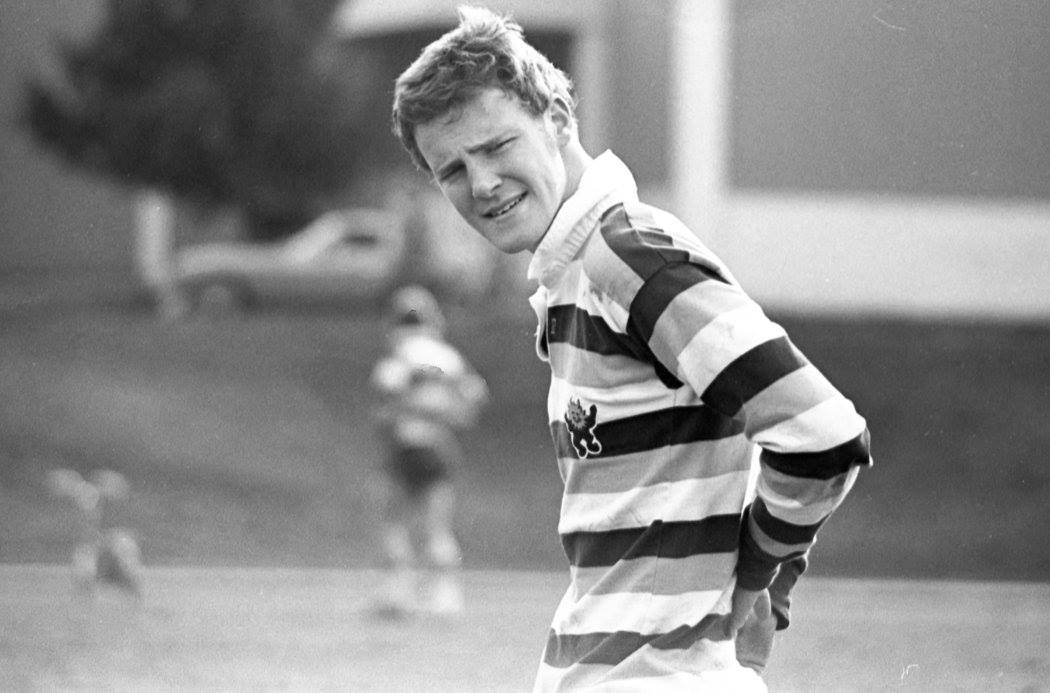
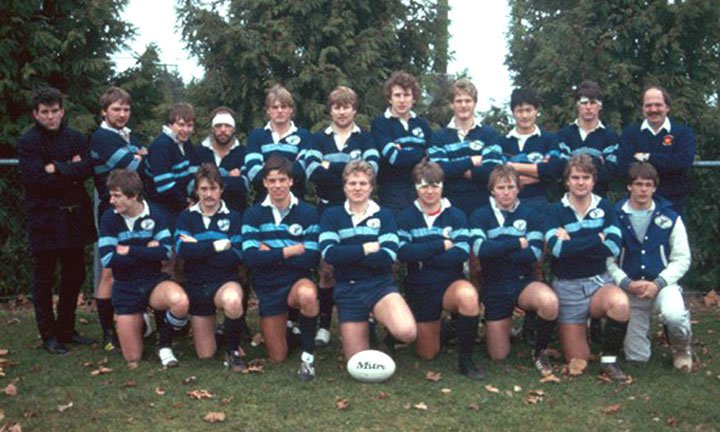
- Tsawwassen’s first season in the Vancouver Rugby Union began with a 26–13 loss to Gibsons, but the second team earned a 14–12 victory over the Meralomas; Herbie Whitehead scored the first points for the team, which, according to the newspaper, was a well-taken try.
- After losing its first three games, the first team responded by winning 19 straight matches between late September and mid-April, reaching the league semi-finals before falling to Scribes in April 1978.
- That same spring, the club returned to Portland and captured its first trophy, winning the Open Division with a 15–3 victory over the College of Idaho at Snake River. Tony Greville scored 11 points in the final.
- The club’s performance drew praise from The Oregonian newspaper, which called Tsawwassen “the team that set the fans agog.” The Oregonian, on Monday, 08 May, 1978, also reported “The classy blue-shirted Canadians, all between the ages of 19 and 22, waltzed through three opponents in a similar style the day before”.
- The 1978/9 season was a tougher year; mostly remembered for the loss of Al Worsley on Friday night, 27 October 1978, just a few hours before kick-off against the Meralomas at Connaught Park.
International Tours and Challenges
- The club toured to San Diego in 1981, visited Toronto and Montreal, and made annual trips to Portland.
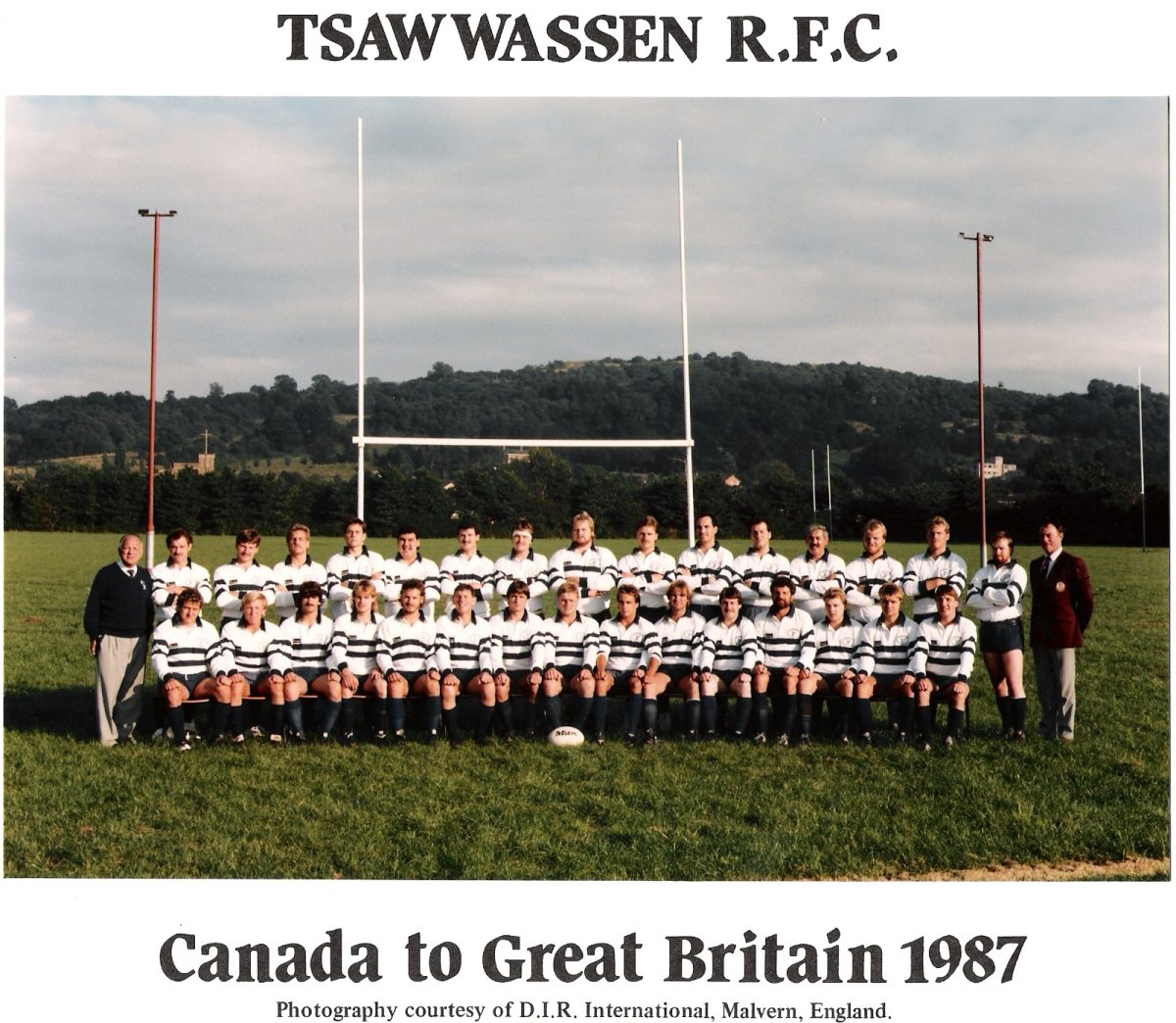
- In 1986, during Expo 86, Tsawwassen hosted Carrickfergus Rugby Club from Northern Ireland. The success of that tour led to the club’s famous “Tour O’ Death” in 1987. Games were played in all four home countries, starting with Old Cryptians in Gloucester, then onto the small Welsh coal mining town of Bedlinog, Carrickfergus, in still turbulent Northern Ireland, and finally onto Melrose (home of Rugby 7’s) in Scotland. Peter James was the beloved, and very patient, coach for this tour.
- Although the tour was a major success socially and competitively, many players where exhausted after running through two closed seasons to play in the Expo 86 Tournament, and then the 1987 UK tour. Combined with the growing demands of rugby after the inaugural 1987 Rugby World Cup, the club began losing players to larger clubs in Vancouver and Victoria.
- At the same time, the City of Delta declined to renew the lease on the Brandrith Park clubhouse and could no longer guarantee Tsawwassen a permanent home field.
Merger with Semiahmoo Old Boys
The BCRU Interlock schedule saw Tsawwassen play Semiahmoo on 03 October, 1987; it was afterwards, when concerns were voiced by both clubs, that a natural solution appeared to be obvious to all at the table. By late 1987, it had become clear that a merger with Semiahmoo Old Boys Rugby Club was the best path forward for both clubs.
Semiahmoo needed players, while Tsawwassen needed facilities and stability.
Matt Kelly, along with Stephen Black, Mike McLennan, and Andy Trann, led negotiations on behalf of Tsawwassen.
Thanks to the club’s charity casino funding and assets such as floodlights purchased from an Expo 86 pavilion, the merged club was able to secure a major role at the newly proposed South Surrey Athletic Park. The new rugby club, Bayside, under Matt Kelly’s direction, with a strong assist from Donny Wright, were given the prime playing field location at SSAP, a full sized rugby field, with lights, right in front of the changing rooms, at the central clubhouse.
On April 23, 1988, members voted to approve the merger. Several names were considered, including Mud Bay Sharks and Delrock Rugby Club, but Bayside Rugby Club won the vote.
Birth of Bayside Rugby Club
In May 1988, Tsawwassen and Semiahmoo traveled together to Portland as a combined team. Though officially still a Tsawwassen tour, it was effectively the first appearance of the new club in Bayside colours.
Players such as Andy Baker, Pat Kennedy, Tom Wilson, and Donny Wright joined the trip.
Later that year, tragedy struck when Scott Hubich drowned along Howe Sound.
The first official game for Bayside Rugby Club was played on September 8, 1988, at Connaught Park in Vancouver. Bayside fielded three teams and wore black armbands in memory of Scott Hubich.
Bayside won that first game.
Officially, Bayside Rugby Club began operations on December 8, 1988.
In Memoriam
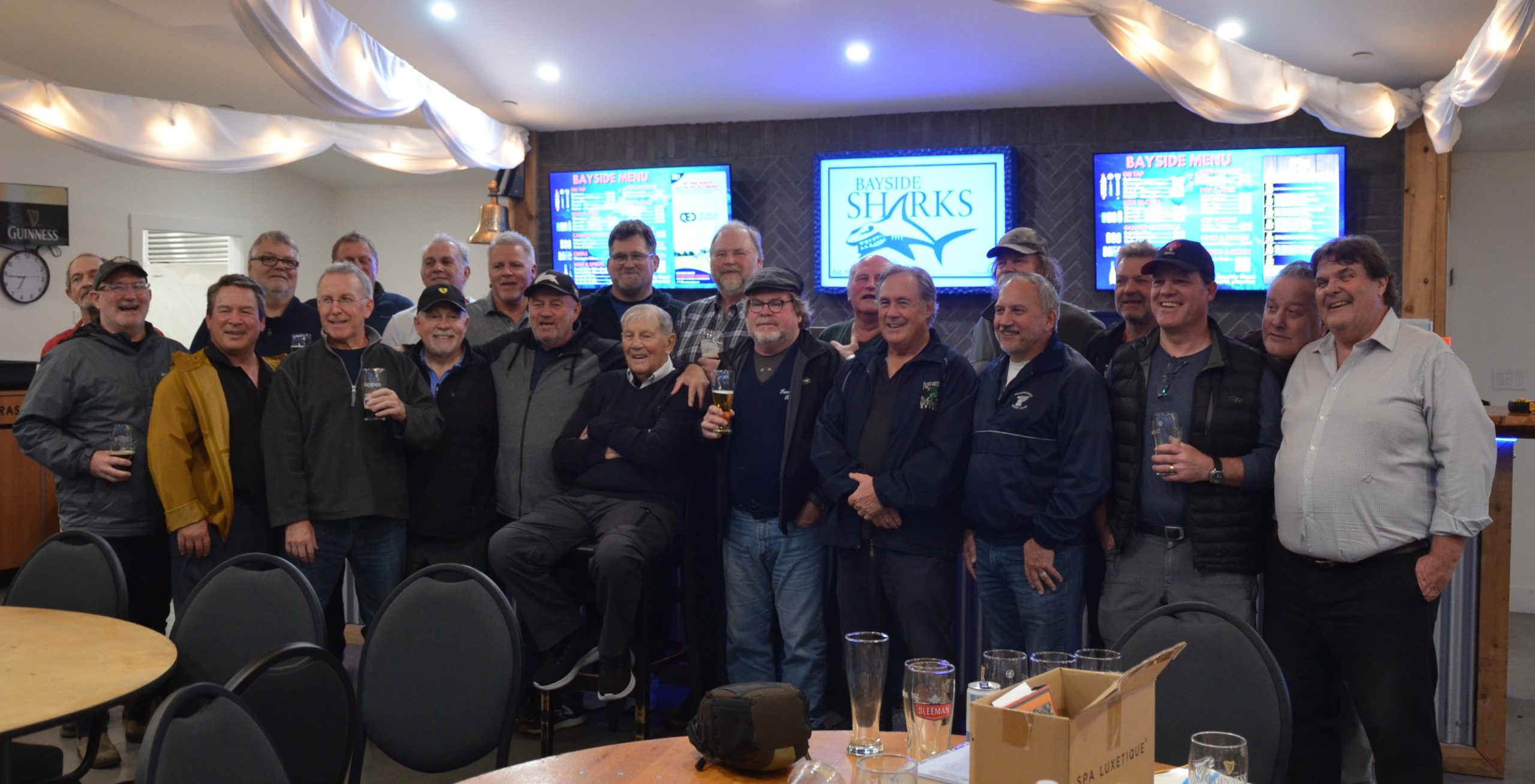
As of April 2026, Tsawwassen Rugby Club remembers and honours the following members who have passed away:
Al Worsley, Bill Crosby, Scott Hubich, Warren Wozney, Desi Carmichael, Tom Fuscko, Bob Littlejohn, Herbie Whitehead, Mike Mallard, John Pye, Richard Greville, Sid Evans, Jim Arthur, Rick Klatt, Martha Black, Tom Turner, Remo Williams, Robin Young, and Peter James.